
Can a few hours of training really accelerate workplace gender equality?
Three local governments, three training programs and three compelling examples of what training can make possible.
Workplace training is often expected to do a lot. Build understanding. Give people practical skills. Strengthen leadership. Support legislative obligations. Help prevent harm. And, somehow, keep everybody engaged along the way.
So, can a few hours of training really achieve all that?
We wouldn’t be here doing this work unless our answer was an unequivocal yes. But not because one session changes workplace culture overnight.
The answer is yes because the right training gives people a shared starting point. It helps them recognise how inequality and harmful behaviour can show up in everyday work, speak up and make better decisions.
Most importantly, it brings people together and helps everyone understand the role they can play in creating safer, fairer and more inclusive workplaces. In other words, it shifts how people act. And over time, it’s those actions that add up to meaningful organisational change.
Rather than take our word for it, we would love to show you. Three local government organisations, three types of training, three examples of what it makes possible. We’ll also answer some of the questions we hear most often about workplace training, and let you know how you can get in touch with us to learn more.

What does workplace gender equality training involve?
There is no single version of gender equality training, and there shouldn’t be.
Depending on an organisation’s needs, training might explore intersectional gender equity fundamentals, inclusive leadership, sexual harassment prevention, violence against women, family-violence disclosures, bystander action, unconscious bias or Gender Impact Assessments (GIAs).
It could be a focused two-hour introduction, a longer session for leaders or a multi-session capability-building program. It might bring employees from across the organisation together, focus on a particular team or prepare internal specialists to train and support their colleagues.
What matters is that the content connects to the context, decisions and challenges people encounter in their own work. That it is practical. That it is evidence-based. And that it is designed to do more than give information, but to create transformation.
Turning awareness into everyday action: Mildura Rural City Council
Training: Gender Equity Essentials + Preventing Violence Against Women
Format: 2 hours for team member, 3 hours for leaders

Mildura city centre
Over several years, GenderWorks has supported Mildura Rural City Council to build organisation-wide capability in gender equity and the prevention of gender-based violence.
The tailored training brings employees from across Council together to explore what gender equality looks like in practice. Not only policies. Not only plans. But in everyday conversations, decisions and interactions.
In a region experiencing some of Victoria’s highest reported rates of family violence, the sessions are designed to move beyond confronting statistics to build a shared understanding of family violence, its connection to gender inequality, and the gendered drivers that allow violence to occur.
Participants learn how gendered expectations and unconscious assumptions can shape workplace culture, community engagement and decision-making. They also explore practical bystander action: how to notice, question and respond safely and constructively when harmful language or behaviour occurs in the workplace or community.
While cultural change can be difficult to see in the moment, year after year, participants tell us they feel more willing—and better able—to speak up when they encounter sexist comments or behaviour. Building those skills and confidence across a workforce is how everyday actions begin to add up to meaningful change. And we’re proud to work with a proactive regional council investing in prevention, workforce capability and sustained impact.
“[This training] has strengthened my ability to recognise and challenge gendered norms in community planning and engagement.” — Mildura Rural City Council training participant
What can Gender Equity training unlock for your organisation?
Key outcomes:
Shared understanding across the organisation
Give the team a common foundation for talking about gender equity, family violence and respect, which helps to reduce confusion and build greater buy-in.Confidence to challenge gender stereotypes
Help people notice the assumptions and behaviours that can influence workplace culture and feel more able to question them.Practical skills for responding to harm
Equip employees with clear ways to respond to sexism and create a workplace where disrespectful behaviour is less likely to be ignored or normalised.More inclusive leaders
Help leaders model inclusive behaviour, respond to concerns and support change within their teams.Stronger connections to everyday work
Show people how to apply a gender lens to their roles, conversations and decisions so gender equity becomes part of how you operate.
Every person who feels more confident recognising and challenging harmful behaviour adds up to a safer, more respectful workplace and community.
Interested in bringing gender equality training to your organisation? Talk to us about a program tailored to your workforce and request a quote →
Who should participate in workplace gender equality training?
Gender equality is not the responsibility of one passionate employee, HR or People and Culture alone. Everyone influences workplace culture and everyone has a role in response and prevention. However, different groups may need to develop different skills to play their part effectively.
For team members, it’s often about building a clear understanding of appropriate behaviour and practical ways to speak up.
For leaders, it’s also about knowing how to model inclusion, respond to concerns and create psychological and physical safety within their teams.
People working in HR, policy, strategy or dedicated gender equality roles may need deeper technical capabilities and an understanding of legislative obligations.
This is why the audience, format and depth should be designed around what participants need to do, not simply what they need to know.
Beyond compliance to prevention: Wellington Shire Council
Training: Respect at Work: Preventing Sexual Harassment
Format: Multi-year program from foundations to prevention
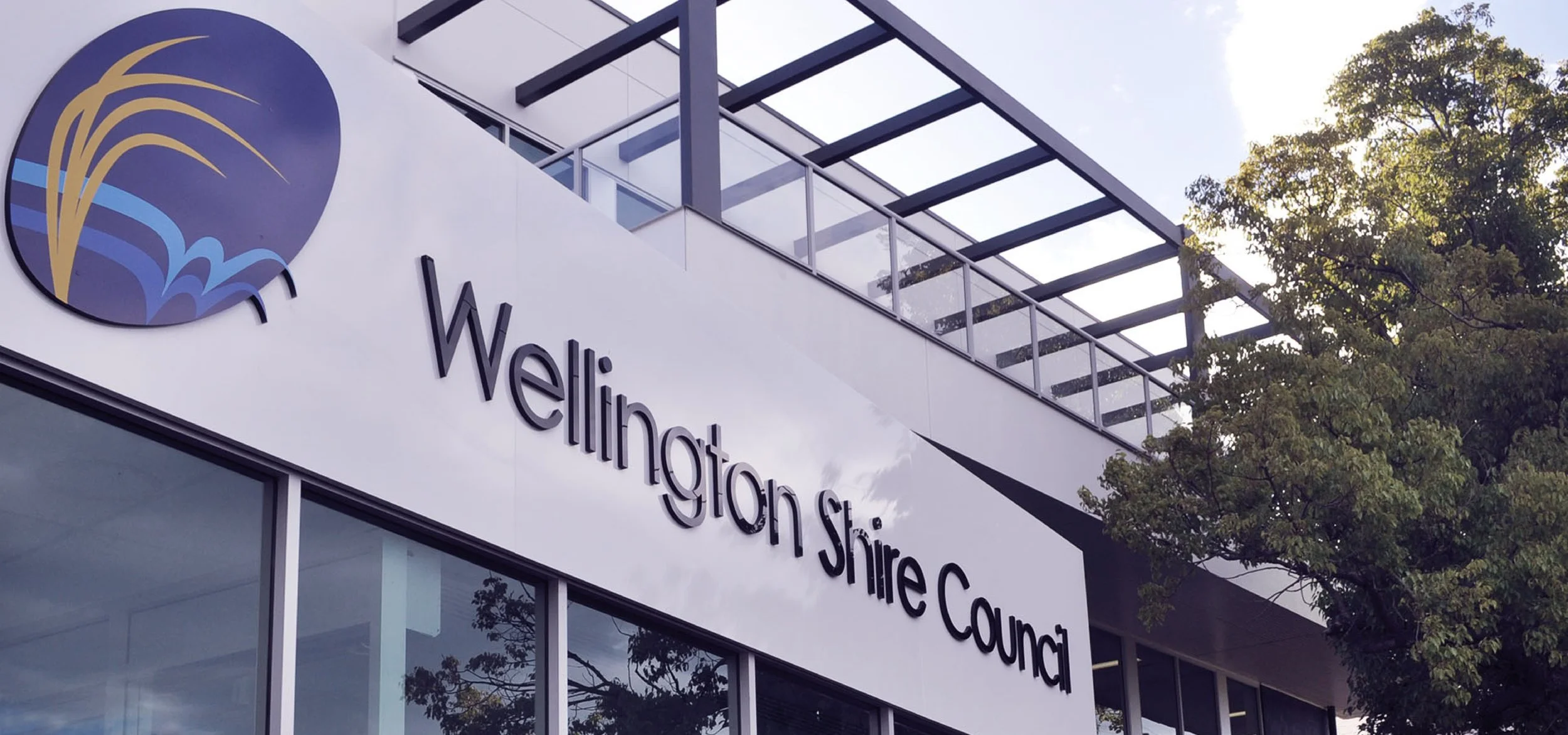
Wellington Shire Council building
Knowing how to effectively identify and respond to workplace sexual harassment matters for a few key reasons. First and foremost, it helps organisations act quickly to support the person/people affected. It also reduces the risk of further or future harm. And it helps organisations meet their legal obligations and responsibilities to provide a safe and respectful workplace for all.
But if we are serious about ending sexual harassment, preventing harm matters just as much. We support organisations to do both.
Looking upstream to prevent harm before it occurs
Knowing what sexual harassment is, what the law says and how to respond to a report provides an essential foundation. However, prevention work requires us to look further upstream. It means asking why sexual harassment occurs in the first place.
What workplace conditions allow inappropriate behaviour to begin, continue or escalate?
What makes somebody feel able to speak up?
What might make them stay silent?
This year, we supported Wellington Shire Council employees to explore gender inequality and power imbalances as key drivers of sexual harassment. Based in the state’s eastern Gippsland region, participants examined the ‘Man Box’ — a set of narrow expectations often placed on men — and how these gender stereotypes can shape behaviour, culture and attitudes towards women and gender-diverse people.
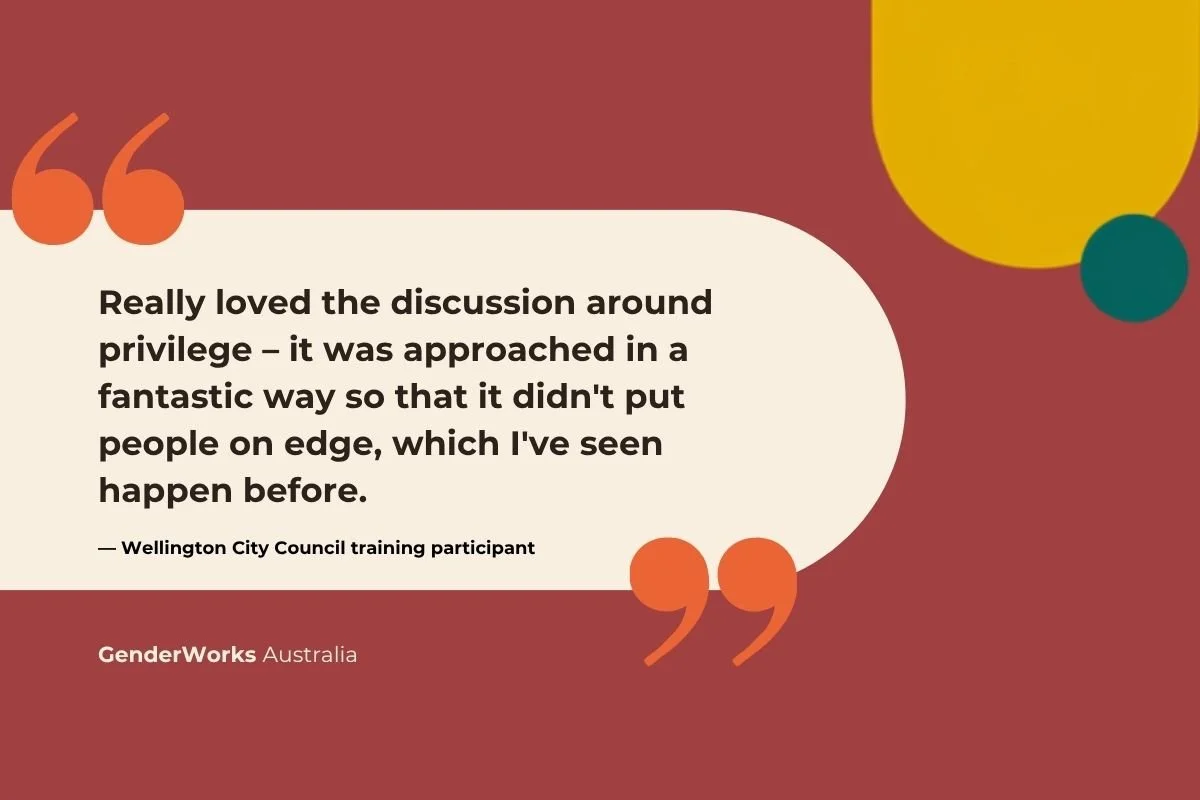
We also explored privilege, identity and unconscious bias, connecting these concepts to situations people might see in everyday workplaces in ways that encourage curiosity and reflection. One participant shared:
Turning understanding into action
The goal is not simply to help employees recognise sexual harassment. It is to help them notice the conditions that allow it to develop, and know what to do next. That might mean:
Questioning a gender stereotype or double standard
Interrupting a sexist comment before others join in
Checking in with a colleague after an uncomfortable interaction
Avoiding assumptions about somebody’s role, ability or experience
Calling attention to an unfair workplace practice
Reporting patterns of behaviour before they escalate
Not every situation requires the same response. Active-bystander training gives people a range of options so they can respond in a way that is safe, appropriate and useful.
What can Preventing Sexual Harassment training unlock for your organisation?
Key outcomes:
Greater awareness of warning signs
Build people’s ability to notice sexist comments, gender stereotypes, power imbalances and patterns of disrespect that might otherwise be dismissed or normalised.Practical ways to take action
Give employees clear options for interrupting harmful behaviour, checking in with others, challenging unfair practices and raising concerns.Constructive conversations about privilege and identity
Create a supported setting in which employees can explore privilege, identity and unconscious bias without shutting down or becoming defensive.Shared responsibility for a respectful workplace
Reinforce that prevention is not only the responsibility of HR or People and Culture. Everyone has a role in building a safe and respectful workplace.
We will not create safer workplaces or lasting change without shifting the behaviours, norms and culture that exist long before serious harm occurs.
Ready to take Respect@Work beyond the fundamentals? Talk to us about a program tailored to your workforce and request a quote →
What makes workplace training meaningful and effective?
It may sound obvious, but people are more likely to engage when they can see how the content relates to them, their role and their workplace.
Meaningful training moves beyond definitions and policies. It creates space for people to explore difficult questions, recognise familiar situations and practise realistic responses.
That might mean questioning a gender stereotype, interrupting a sexist comment, checking in with a colleague or noticing when power and privilege affect whose ideas are heard and whose behaviour goes unchecked.
Does training always need to involve the whole workforce?
Every organisation is different, but sometimes the most useful investment is building the capability of a smaller group that can support others.
A Train the Trainer program helps internal facilitators develop both subject-matter knowledge and the skills to share it. This can be particularly valuable when an organisation needs to embed a process across different teams, make technical requirements easier to understand or reduce reliance on one central specialist.
Knox City Council used this approach to grow its internal Gender Impact Assessment capability.
Building capability from within: Knox City Council
Training: Gender Impact Assessments
Format: Train the Trainer
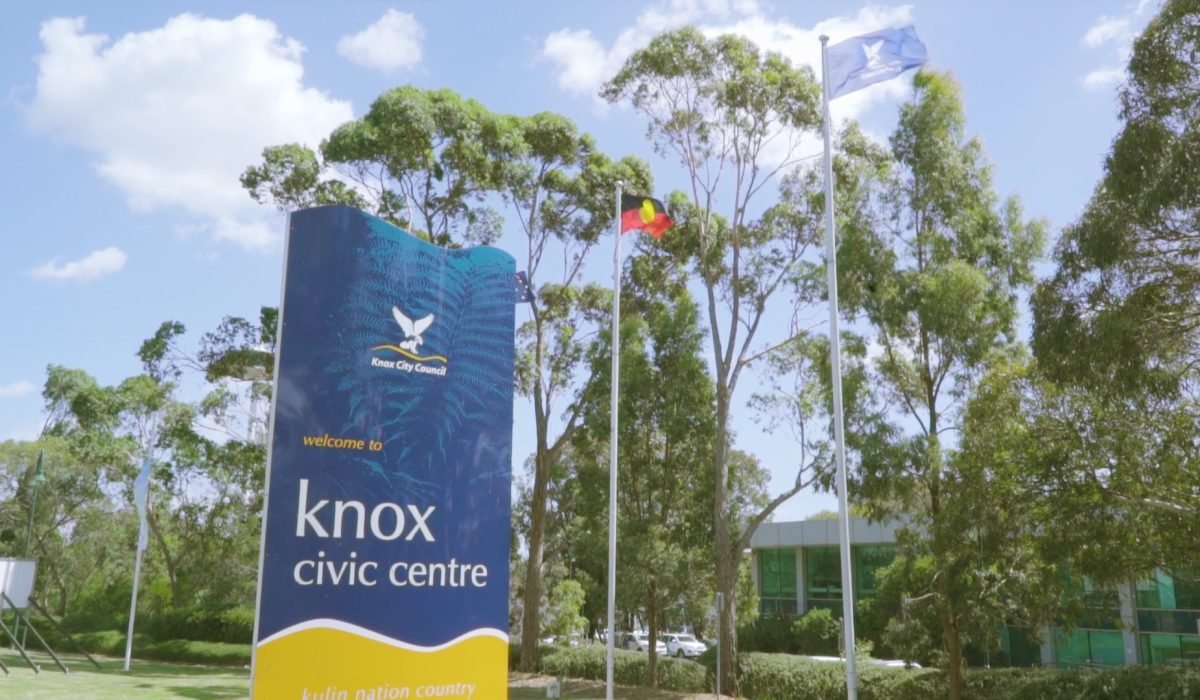
Knox Civic Centre
Many organisations want to make Gender Impact Assessments (GIAs) part of everyday work. But responsibility often sits with one small team expected to answer every question, review every assessment and keep the process moving.
Train the Trainer programs offer another approach: building a group of confident internal facilitators who can share knowledge, support colleagues and make GIAs more accessible across the organisation.
Preparing people to lead the learning
Knox City Council wanted to build its capacity to deliver GIA training across Council. We worked with eight members of the Social Policy and Wellbeing team to strengthen both their technical knowledge and their facilitation skills.
The program covered the legislation and GIA process, intersectionality and the role of gender-disaggregated data. Just as importantly, participants practised how to explain these ideas clearly and connect them to the work of different Council teams.
How do you explain why gender-disaggregated data matters?
How do you make intersectionality practical?
What might resistance look like in your department?
And how do you respond when somebody asks a difficult question?
These are some of the questions that turn subject-matter knowledge into useful, engaging training.
Navigating the dual roles of facilitation
GIA facilitators do more than guide people through the steps of an assessment. They also shape the learning environment. They need to create an inclusive space that encourages participation and responds constructively when people feel uncertain, overwhelmed or defensive. At the same time, they are modelling the gender-equitable practice at the heart of the work.
For Knox, the program created space to explore this dual role and the realities of supporting teams responsible for many different policies, programs and services.
What can Train the Trainer programs unlock?
Key outcomes:
Capability that stays inside the organisation
Develop internal trainers who can continue building knowledge and skills across the workforce.More confident facilitators
Prepare people to explain complex concepts, guide discussion and respond to difficult questions with practical strategies for working through uncertainty.Training grounded in your organisation’s work
Help internal trainers connect the process to real policies, programs, services and decisions familiar to their colleagues.Greater consistency across teams
Create a shared approach to explaining and completing GIAs across different parts of the organisation.More sustainable implementation
Reduce reliance on a small number of external or internal specialists by distributing knowledge and capability more widely.
Train the Trainer programs help turn GIAs from a specialist or compliance task into a capability the organisation can share and sustain. When internal trainers can make the process clear, relevant and practical, employees are more likely to understand its value and use it with confidence.
Want to build internal GIA capability? Talk to us about a Train the Trainer program for your organisation →
How do you make the impact of workplace training last?
A few hours of training will not change workplace culture on its own. Instead, training is most effective when it is part of a broader commitment to gender equality,not treated as a standalone initiative or a box to tick.
We recommend choosing a training program based on real organisational gaps and needs, ensuring you have buy-in from the top, and giving participants practical ways to apply what they learn. This also must be reinforced through policies, systems and everyday cultural norms.
The right starting point depends on where your organisation is now and what you want people to understand, do or change afterwards.
For example:
One workplace may need a shared foundation in gender equity after employee feedback reveals inconsistent understanding or low confidence speaking up.
Another may be responding to an increase in sexual harassment reports and recognise that stronger prevention is needed alongside a more effective complaints process.
Another may have GIAs sitting with one overstretched team, while the rest of the organisation is unsure how to apply a gender lens to their work.
Training can give people the language to name an issue, the confidence to question it and practical options for responding. That is how it begins to make a difference: one conversation, one decision and one act of leadership at a time.
Want to see what’s possible in your organisation?
GenderWorks offers tailored training in:
Gender Equity Essentials
Gender-Equitable and Inclusive Leadership
Preventing and Responding to Workplace Sexual Harassment
Preventing Violence Against Women
Responding to Disclosures of Family Violence
Bystander Action and Managing Resistance
Unconscious Bias
Gender Impact Assessments and GIA Train the Trainer programs
Programs can be delivered online or face-to-face, from focused two-hour sessions to multi-session capability-building programs.
Tell us what is happening in your organisation, where capability needs to grow and what you want training to achieve. We’ll recommend a practical approach and provide a tailored quote →
GenderWorks Australia is a trusted and accredited provider of workplace gender equality training and programs. Find out more about our services or get in touch about a quote.